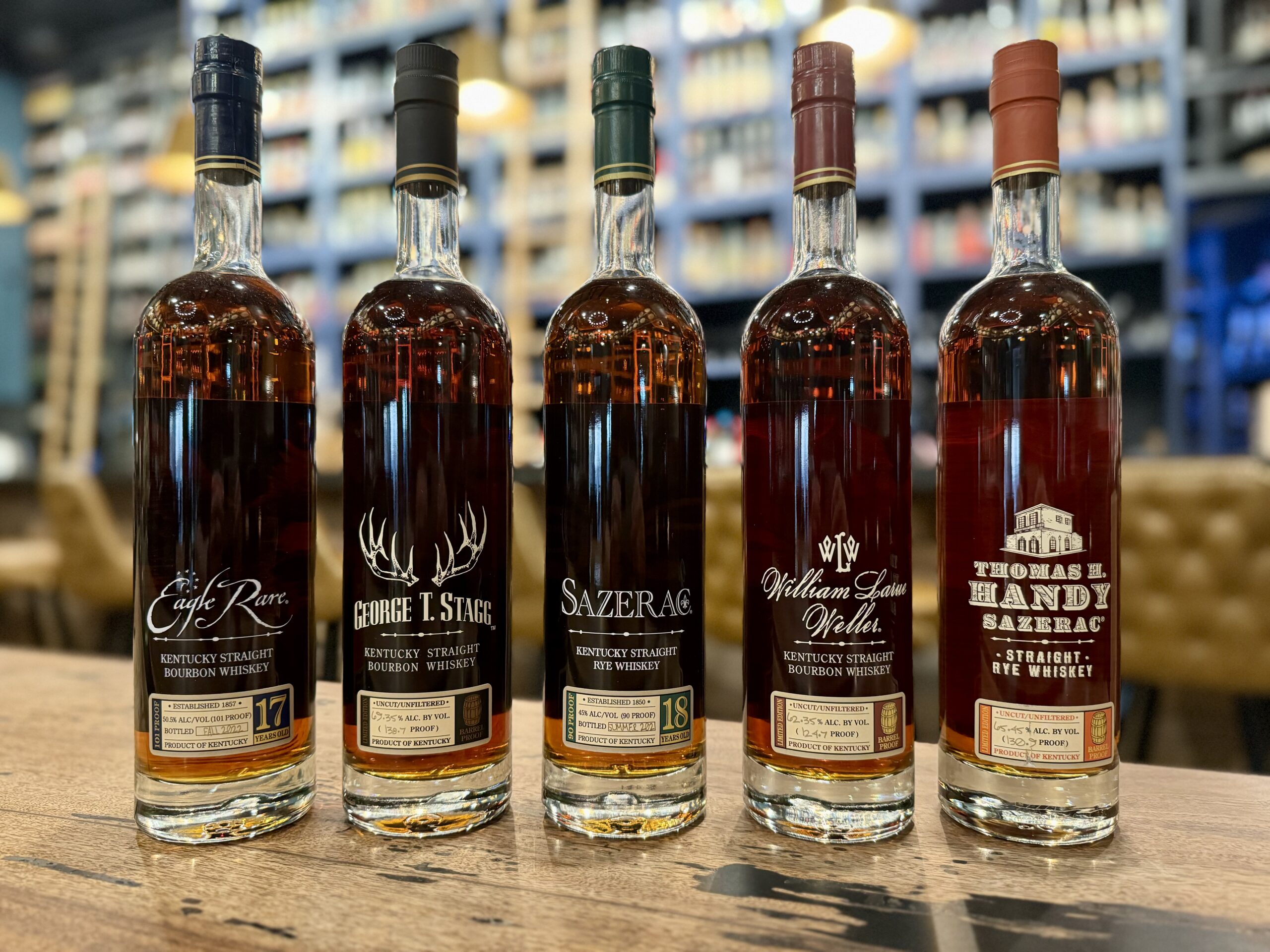

What Does Allocated Bourbon Mean? Allocated bourbon refers to a specific part of corn, rye, and other grains lawfully allow and designated for use in crafting bourbon whiskey, secure caliber control and authenticity in production. Unlike raw agrarian commodities trade freely in commodity markets, allocated bourbon ingredients undergo strict oversight to encounter the stringent standards postulate by U. S. federal regulations especially those apply by the Bottled In Bond Act and the Tennessee Valley Authority s guidelines. This parceling process guarantees that only approved grains contribute to the spirit s character, preserve its distinct flavor profile and heritage. For distillers, allocating bourbon is not merely a logistic step but a foundational commitment to custom, transparency, and consistency in every bottle. Understanding what allocate bourbon means reveals the careful proportion between nature, rule, and craft behind every drop.
At the core of apportion bourbon lies the precise selection and reservation of key grains chiefly corn, which forms the backbone of bourbon s fragrance, follow by rye for spice and barley for fermentation endorse. These grains are source from trusted suppliers and formally registered under government approved programs. The allocation scheme ensures that only verified quantities enter distillery processes, preventing contamination or substitution with lower grade ingredients. This controlled input is essential because even minor variations in grain composition can dramatically alter the final spirit s aroma, taste, and aging likely. By legally tie these grains to bourbon production, regulators uphold the unity of the category, permit consumers to trust that what they drink reflects reliable craftsmanship rather than generic blending.
| Grain Type | Role in Bourbon | Regulatory Requirement |
|---|---|---|
| Corn | Primary source of sweetness and body | Must constitute at least 51 of the grain mash |
| Rye | Adds spicy complexity and depth | Typically used in confine but specify proportions |
| Barley | Supports agitation and enzyme action | Must be malt and meet purity standards |
This structure apportioning supports not only product consistency but also marketplace candor, as all licensed distillers adhere to the same grain specifications. It enables traceability from battlefield to bottle, reinforcing consumer self-confidence in bourbon s identity. Beyond compliance, allocated bourbon represents a ethnical promise observe centuries old traditions while comprehend mod quality assurance. Distillers who commit to allocated grains demonstrate commitment to legitimacy, ensuring each batch tells a genuine story root in craft and care.
Note: Allocated bourbon grains must be grown and reap under regulate conditions to maintain purity and origin authenticity.
In practice, apportion bourbon functions as a cornerstone of product protocols. Distilleries track grain purchases through official registries, often linked to USDA or state agricultural databases, assure total profile across the supply chain. This level of answerability helps prevent fraud and mislabeling, protect both brand reputation and consumer trust. While some small producers experiment with non allocated grains for niche experiment, mainstream bourbon relies on this formal allocation to uphold category standards. As world-wide demand grows, sustain rigorous allocation systems becomes increasingly critical not just for sound compliance but for preserving bourbon s legacy as a premium, heritage motor spirit.
Ultimately, allocate bourbon symbolizes more than a proficient requirement it embodies a philosophy of respect for ingredients, procedure, and tradition. By legally reserve the right grains, distillers affirm their commitment to caliber, transparency, and legitimacy. This foot allows bourbon to evolve while continue true to its roots, render a spirit that is both dateless and cautiously craft. Every bottle reflects a deliberate choice, a measure blend of nature and nurture, maneuver by rules designed to protect excellency.