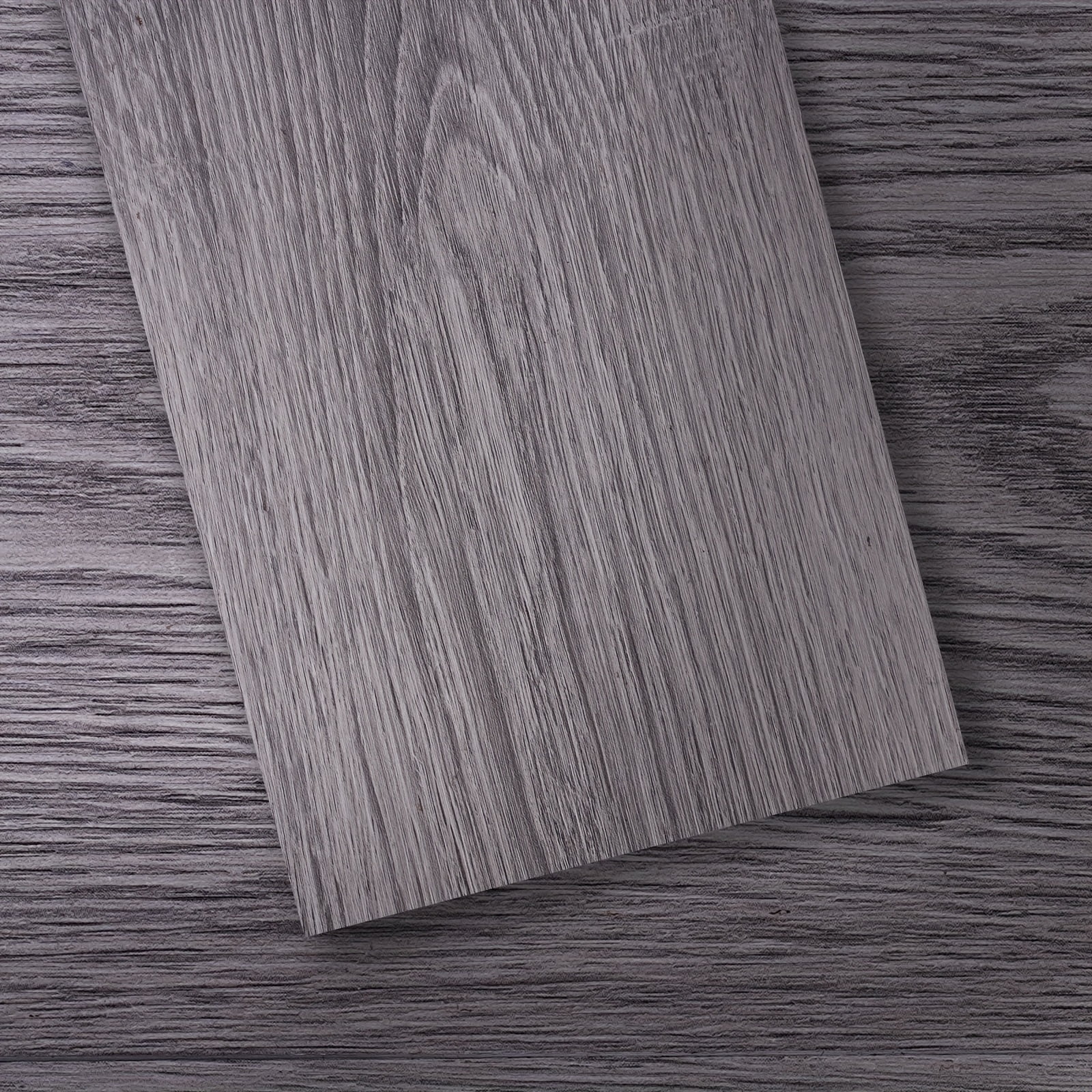

Stick on wood flooring presents a dateless appeal that blends durability with natural warmth, making it a favorite choice for homes and commercial-grade spaces alike. Unlike synthetic alternatives, real wood offers unequaled quality each plank tells a story through its grain pattern and subtle imperfections. However, maintaining a stick on wood floor requires heedful aid to installation and upkeep to preserve its beauty and seniority. Whether you re installing a new floor or regenerate an existing one, understanding the proper techniques ensures your floor remains bouncy against daily wear and environmental challenges. This usher explores essential steps, material considerations, and care practices to aid you care for your stick on wood storey efficaciously.
Understanding Stick On Wood Floor Materials
Stick on wood flooring typically consists of engineered wood or solid hardwood sheets bond with adhesive and contrive to adhere to subfloors using pressure sensible endorse. Unlike traditional parquet or laminate, stick on variants proffer enhance tractability and reduced noise underfoot, thanks to their layered construction. Common materials include:
- Engineered Wood: Layers of wood veneering bonded over plywood or fiberboard core, render stability and resistance to moisture bettor than standard laminates.
- Solid Hardwood: Full thickness wood slabs glued straightaway to the substrate, proffer superior strength and classic aesthetic but requiring more precise installation.
- Backing Types: Pressure sensible report, fabric, or foam second options influence installment ease and sound assimilation.
Choosing the right material depends on your space s humidity levels, foot traffic, and desired seem. Engineered wood excels in vacillate climates, while solid hardwood delivers unmatched elegance for eminent end interiors.
| Material Type | Durability | Moisture Resistance | Installation Difficulty | Aesthetic Appeal |
|---|---|---|---|---|
| Engineered Wood | High layer construction resists warping | Moderate sensible to extreme humidity | Medium requires measured alignment | Modern to countrified, consistent grain |
| Solid Hardwood | Very High dense and long lasting | Low vulnerable to wet damage | High natural variance enhances visual depth | Classic, warm, and dateless |
Note: Always inspect subfloors for levelness and moisture before initiation poor provision compromises even the best materials.
Note: Stick on wood floors benefit from enlargement gaps; leaving 1 8 inch between planks prevents warp in temperature shifts.
Note: Avoid order furniture directly on raw wood edges use felt pads to protect both story and furniture.
Note: Regular broom and gentle cleaning extend storey life; harsh chemicals can degrade adhesives and finish.
Note: For eminent traffic areas, opt for thicker planks or reenforce engineered wood to belittle wear.
Note: Proper airing helps regulate humidity, protecting the wood s unity and adhesive bond.
Note: Professional initiation ensures optimal bond and reduces long term alimony needs.
Note: When supersede damage sections, match grain direction and finish type to keep optic harmony.
Note: A well maintained stick on wood story enhances indoor comfort and increases property value through its natural warmth and weather charm.
Proper surface readying is the foundation of a live stick on wood storey. Begin by thoroughly clean the subfloor remove dust, debris, and old adhesive residues using a vacuum and mild detergent. Check for unevenness with a straight edge; minor dips can be fill with self level compound, then sand smooth. Ensure the surface is dry and free of oils or waxes, which interfere with adhesive tie. Installing over concrete or uneven wood may need a flexible underlayment to absorb movement. Once ready, use a wet roadblock if take, particularly in basements or humid zones, to protect the floor from rising damp. Taking time during preparation prevents future issues like elevate, cracking, or uneven wear, assure your floor remains beautiful and functional for years.
Note: Moisture testing with a hygrometer helps confirm ideal initiation conditions aim for 40 60 comparative humidity.
Note: Use a caoutchouc mallet lightly when adjust planks to avoid damage edges or adhesive bonds.
Note: Allow total heal time typically 48 hours before heavy use or furniture placement to ensure potent adherence.
Once installed, daily care preserves the story s appearing and structural integrity. Sweep or vacuum regularly to remove abrasive particles that scratch surfaces. Mop with a soft cloth and pH inert cleanser; avoid excess water, which can seep beneath planks. For spills, blot immediately with a dry cloth never scrub smartly. In eminent traffic rooms, place felt pads under furniture legs to prevent dents and scratches. During seasonal humidity changes, monitor for slight expansion or compression and adjust furniture placement if take. Periodic deep cleaning with a wood specific polish restores shine and protects the finish. These habits extend the floor s lifespan and sustain its natural elegance.
Note: Avoid using steam cleaners or harsh chemicals these damage finishes and weaken adhesive bonds.
Note: If edges lift over time, carefully reapply adhesive and press securely to re untroubled without damaging surrounding planks.
Regular inspections every few months help catch betimes signs of wear, such as loose planks or dull spots. Addressing small issues readily prevents costly repairs and maintains a seamless look. With mindful induction and consistent care, a stick on wood floor becomes more than a surface it becomes a endure centerpiece of comfort and style in any home.
Related Terms:
- stick on wood floor tiles
- peel and stick hardwood flooring
- wood look peel and stick
- stick on wood effect vinyl
- vinyl wood peel and stick
- wood flooring peel and stick