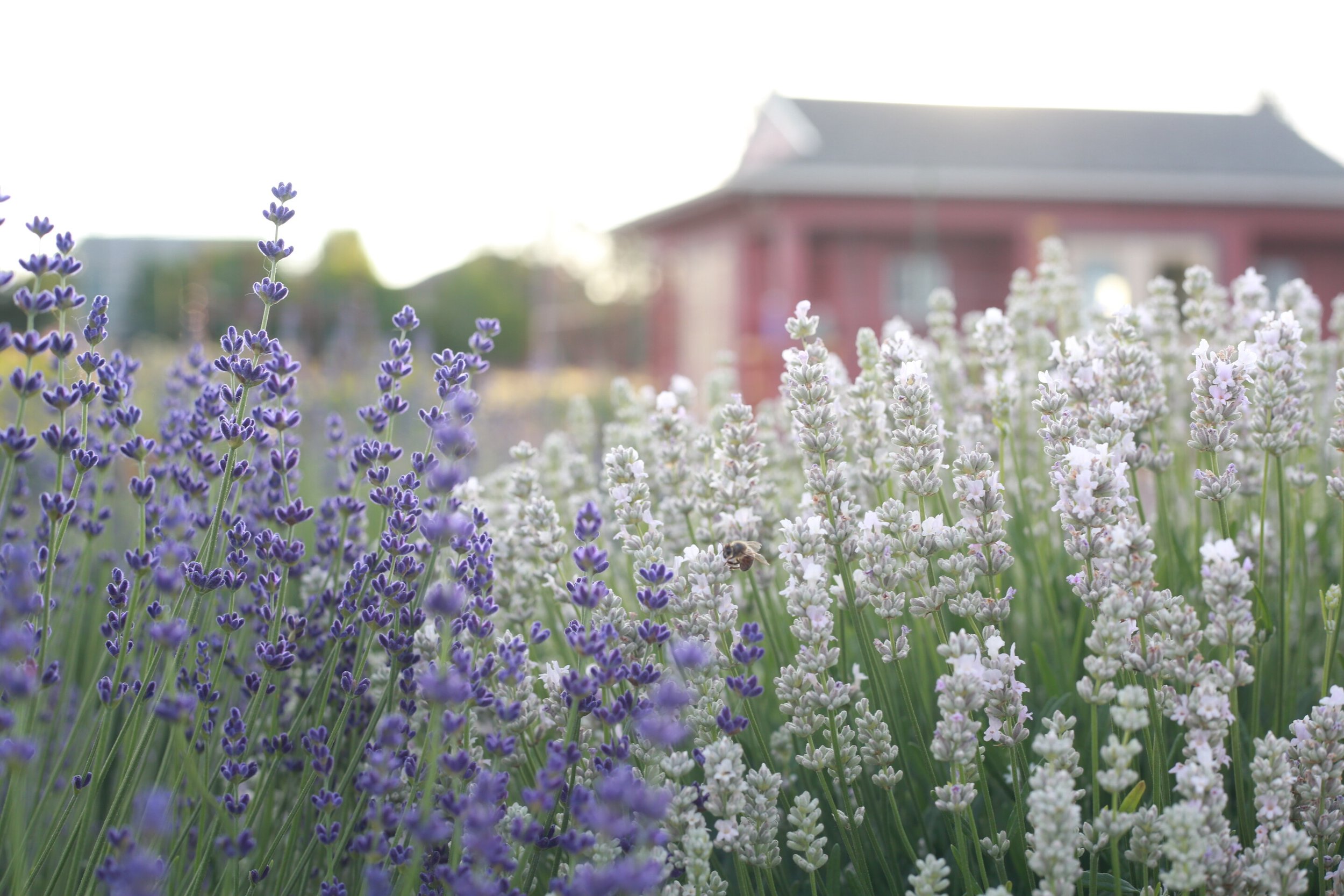

Embarking on a journey to make a Lavender Grow A Garden can be an incredibly honour experience. Lavender, with its fragrant blooms and comfort aroma, not only adds beauty to your outdoor space but also attracts good pollinators like bees and butterflies. Whether you're a harden nurseryman or a novice, growing lavender can be a delightful and therapeutical hobby. This usher will walk you through the essential steps to successfully train a prosper lavender garden.
Understanding Lavender
Lavender is a versatile and hardy plant that belongs to the mint family. There are several varieties of lavender, each with its singular characteristics and uses. Some of the most popular types include:
- English Lavender (Lavandula angustifolia): Known for its sweet fragrance and is often used in culinary and ornamental applications.
- Spanish Lavender (Lavandula stoechas): Features distinctive rabbit ear petals and is prized for its decorative value.
- French Lavender (Lavandula stoechas): Similar to Spanish lavender but with a more racy scent.
- Lavandula x intermedia: A hybrid variety known for its eminent oil message and strong redolence.
Choosing the Right Location
Lavender thrives in total sun and well drain soil. When selecting a position for your Lavender Grow A Garden, reckon the follow factors:
- Sunlight: Lavender requires at least 6 8 hours of direct sunlight per day. Ensure the choose spot is not shade by trees or buildings.
- Soil: Lavender prefers good drain, slightly alkaline soil with a pH between 6. 5 and 7. 5. Avoid heavy clay soils that retain moisture, as lavender is susceptible to root rot.
- Wind: Lavender can brook windy conditions, but it s best to protect young plants from strong gusts until they are established.
Planting Lavender
Lavender can be propagate from seeds, cuttings, or nursery plants. For beginners, starting with nursery plants is often the easiest and most reliable method.
Here are the steps to plant lavender:
- Prepare the Soil: Dig a hole that is slightly larger than the root ball of the plant. Mix in some compost or well molder manure to better soil fertility and drainage.
- Planting: Place the lavender plant in the hole, assure the top of the root ball is tier with the soil surface. Fill in around the plant with soil, lightly tauten it down to remove any air pockets.
- Watering: Water the plant exhaustively after establish to help settle the soil. Lavender is drought large-minded once prove, but young plants postulate regular water until they are well rooted.
- Spacing: Space lavender plants about 12 18 inches apart to allow for adequate air circulation and growth.
Note: Avoid overwatering lavender, as it can lead to root rot. Allow the soil to dry out slenderly between waterings.
Caring for Your Lavender Garden
Once your lavender plants are established, they demand minimal care. However, there are a few key practices to ensure their health and seniority.
Watering
Lavender is drought liberal and does not demand frequent watering. Water deep once a week during the growing season, reducing watering in the winter. Ensure the soil is easily drained to prevent waterlogging.
Fertilizing
Lavender does not ask much fertiliser. Over fertilize can direct to extravagant foliage growth at the expense of flowers. If you take to fertilize, use a balanced, slow release fertiliser in betimes bounce. Avoid high nitrogen fertilizers, as they can advertise leafy growth rather than prime production.
Pruning
Pruning is crucial for maintaining the shape and health of your lavender plants. Prune lavender in late summertime or betimes fall after the flowers have faded. Remove about one third of the plant s growth, cutting back to just above the woody stems. This encourages bushier growth and more flowers the postdate year.
Pest and Disease Management
Lavender is relatively pest and disease tolerant, but it can still be regard by certain issues. Common pests include aphids, spider mites, and whiteflies. Regularly inspect your plants for signs of plague and treat with insecticidal soap or neem oil if necessary.
Diseases such as root rot and powdery mildew can also regard lavender. Ensure good air circulation and avoid overwatering to prevent these issues. If you notice signs of disease, treat with a fungicide or remove affect parts of the plant.
Harvesting and Using Lavender
One of the joys of growing lavender is harvesting the fragrant blooms for various uses. Here are some tips for harvesting and using lavender:
Harvesting
Harvest lavender in the morning after the dew has vaporise but before the heat of the day. Cut the stems just as the flowers begin to exposed. Bundle the stems together and hang them upside down in a cool, dry rank to dry. Once dry, remove the flowers from the stems and store them in an airtight container.
Uses for Lavender
Lavender has a wide range of uses, from culinary to cosmetic. Here are some popular ways to use lavender:
- Culinary: Use dried lavender flowers to flavor baked goods, teas, and even savory dishes. A little goes a long way, so depart with a minor amount and adjust to taste.
- Cosmetic: Lavender is a democratic ingredient in skincare products due to its comfort and anti inflammatory properties. Make your own lavender instill oils, lotions, and soaps.
- Aromatherapy: The still scent of lavender makes it ideal for aromatherapy. Use dried lavender in sachets, potpourri, or indispensable oil diffusers to create a relaxing atmosphere.
- Decorative: Fresh or dried lavender stems create beautiful additions to floral arrangements and wreaths. They also seem lovely in vases or as table centerpieces.
Common Lavender Varieties and Their Characteristics
Here is a table summarizing some common lavender varieties and their key characteristics:
| Variety | Characteristics | Uses |
|---|---|---|
| English Lavender (Lavandula angustifolia) | Sweet fragrance, compact growth, blue violet flowers | Culinary, decorative, aromatherapy |
| Spanish Lavender (Lavandula stoechas) | Distinctive rabbit ear petals, purple flowers | Ornamental, dried flowers |
| French Lavender (Lavandula stoechas) | Similar to Spanish lavender but with a stronger scent | Ornamental, dry flowers |
| Lavandula x intermedia | Hybrid variety, high oil content, potent fragrancy | Aromatherapy, cosmetic, culinary |
Note: Always inquiry the specific needs of the lavender variety you choose, as some may have slightly different care requirements.
Designing Your Lavender Garden
Designing a Lavender Grow A Garden can be a creative and pleasurable operation. Here are some ideas to inspire your garden design:
Layout
Consider the overall layout of your garden. Lavender plants can be arranged in rows, clusters, or as a edge along a pathway. Mixing different varieties of lavender can add visual interest and extend the blooming season.
Companion Planting
Lavender pairs well with other plants that have similar water and sunlight requirements. Some full companion plants for lavender include:
- Rosemary: Another fragrant herb that thrives in similar conditions.
- Thyme: A low growing herb that complements lavender s height and texture.
- Sage: Adds a different texture and color to the garden.
- Ornamental Grasses: Provide contrast with their fine textures and movement.
Decorative Elements
Incorporate cosmetic elements to raise the beauty of your lavender garden. Consider contribute:
- Stone Pathways: Create a winding path through your garden for easy access and visual appeal.
- Arbors and Trellises: Add upright interest and indorse for climbing plants.
- Water Features: A little fountain or birdbath can attract wildlife and add a comfort element to your garden.
Troubleshooting Common Issues
Even with the best care, you may encounter some issues with your lavender plants. Here are some mutual problems and solutions:
Yellowing Leaves
Yellowing leaves can point overwatering or poor drainage. Ensure your soil is well drained and trim watering frequency.
Poor Flowering
If your lavender plants are not producing many flowers, it could be due to over fertilizing, deficient sunlight, or improper dress. Ensure your plants are getting enough sun, prune regularly, and avoid eminent nitrogen fertilizers.
Pests and Diseases
Regularly inspect your plants for signs of pests or diseases. Treat with appropriate insecticides or fungicides as needed. Maintain good air circulation and avoid overwatering to prevent fungal diseases.
Growing a Lavender Grow A Garden is a reward experience that brings beauty, fragrancy, and alterative benefits to your outdoor space. By read the needs of lavender plants and providing the right care, you can enjoy a thriving garden that delights the senses and attracts good pollinators. Whether you re a seasoned nurseryman or just starting out, lavender is a versatile and low maintenance plant that adds charm and elegance to any garden.
Related Terms:
- grow and caring for lavender
- how to get lavender
- is lavender easy to maintain
- rose turn a garden
- grow requirements for lavender
- best growing conditions for lavender