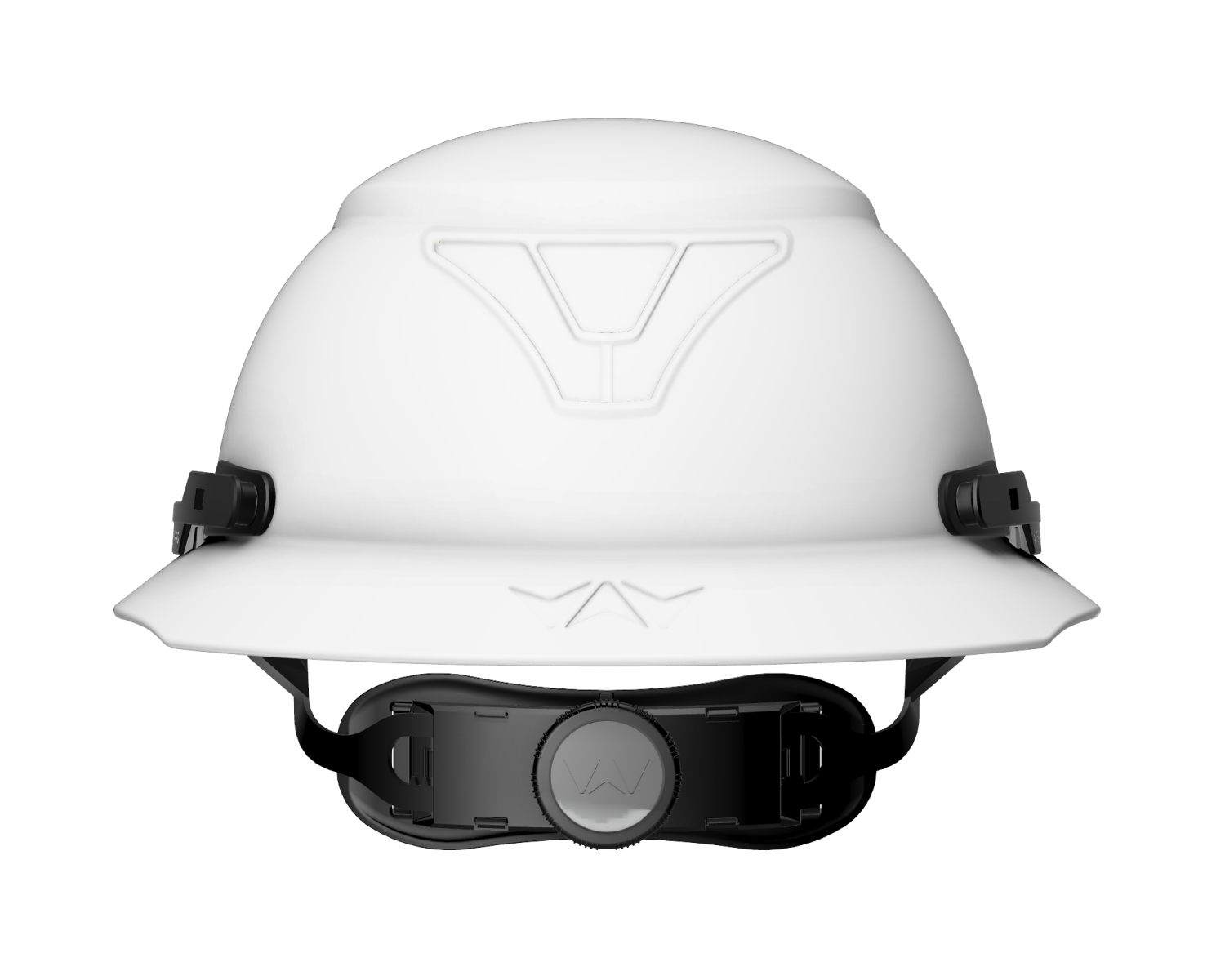

In the realm of personal protective equipment (PPE), the Class E Hard Hat stands out as a all-important component for ensuring safety in several industrial and construction settings. This type of hard hat is specifically contrive to protect workers from electric hazards, make it an essential piece of gear for those working in environments where electrical risks are prevalent. Understanding the importance, features, and proper use of a Class E Hard Hat can significantly raise workplace safety and deference with regulatory standards.
Understanding Class E Hard Hats
A Class E Hard Hat is organize to provide protection against electrical hazards. The "E" in Class E stands for "Electrical", show that these hard hats are design to protect against high voltage electrical shocks and burns. This makes them essential for electricians, linemen, and other professionals who work with or near live electric equipment.
Class E Hard Hats are make with materials that are extremely tolerant to electric conduction. Typically, these hard hats are made from non conductive materials such as formative or fiberglass, which do not conduct electricity. This ensures that in the event of an electric accident, the hard hat will not conduct the electric current to the wearer, thereby reduce the risk of severe injury or fatality.
Key Features of Class E Hard Hats
Class E Hard Hats arrive with several key features that make them desirable for electrical act:
- Non Conductive Materials: As mentioned, these hard hats are made from materials that do not conduct electricity, providing a crucial bed of protection against electric hazards.
- Impact Resistance: besides electrical security, Class E Hard Hats are plan to withstand impacts from descend objects, guarantee dual security against both electric and physical hazards.
- Ventilation: Many Class E Hard Hats come with airing features to keep the wearer cool and comfortable, which is peculiarly crucial in hot and humid act conditions.
- Adjustable Fit: These hard hats often have adjustable suspension systems to insure a unafraid and comfy fit for different head sizes.
- Accessories Compatibility: Class E Hard Hats can be outfit with various accessories such as face shields, ear muffs, and welding shields, enhancing their versatility and functionality.
Choosing the Right Class E Hard Hat
Selecting the right Class E Hard Hat involves view various factors to check it meets the specific needs of the job and provides adequate security. Here are some key considerations:
- Material: Ensure the hard hat is made from non conductive materials like fictile or fiberglass. Avoid hard hats made from conductive materials like metallic.
- Certification: Look for hard hats that are evidence by recognized safety organizations such as ANSI (American National Standards Institute) or CSA (Canadian Standards Association). These certifications ensure that the hard hat meets stringent safety standards.
- Size and Fit: Choose a hard hat that fits comfortably and firmly. A badly go hard hat can compromise its protective capabilities and cause discomfort.
- Ventilation: If working in hot environments, opt for a hard hat with full ventilation to prevent overheat.
- Accessories: Consider the take for extra accessories like face shields or ear protection and ensure the hard hat is compatible with these.
Proper Use and Maintenance of Class E Hard Hats
To maximise the effectivity of a Class E Hard Hat, it is crucial to use and preserve it decent. Here are some guidelines:
- Inspection: Regularly inspect the hard hat for any signs of damage, such as cracks, dents, or wear and tear. Replace the hard hat if any damage is find.
- Cleaning: Clean the hard hat regularly using mild soap and water. Avoid using harsh chemicals or solvents that can degrade the material.
- Storage: Store the hard hat in a cool, dry place away from unmediated sunlight and extreme temperatures. Avoid store it in areas where it can be exposed to chemicals or other harmful substances.
- Replacement: Replace the hard hat every five years, or sooner if it shows signs of substantial wear or damage. Even if the hard hat appears to be in full condition, its protective properties can degrade over time.
Note: Always postdate the manufacturer's guidelines for review, clean, and alimony to ensure the hard hat remains efficacious.
Regulatory Compliance and Standards
Using a Class E Hard Hat is not just about personal safety; it is also about complying with regulatory standards. Various organizations and governments have constitute guidelines and regulations for the use of PPE in the workplace. for illustration, in the United States, the Occupational Safety and Health Administration (OSHA) requires employers to furnish seize PPE, including hard hats, to protect workers from hazards.
besides OSHA, other standards and certifications ensure the quality and effectuality of Class E Hard Hats. The ANSI Z89. 1 standard is a wide realize guideline for hard hats, specify the performance requirements for different classes of hard hats, including Class E. Compliance with these standards ensures that the hard hat meets the necessary safety criteria.
Training and Awareness
Proper training and cognisance are crucial for the effective use of Class E Hard Hats. Workers should be discipline on:
- The importance of wearing a hard hat in electric work environments.
- How to properly wear and adjust the hard hat for a untroubled fit.
- The signs of damage to seem for during inspections.
- The correct procedures for houseclean and preserve the hard hat.
- The need to supersede the hard hat after a determine period or if damage.
Regular training sessions and safety drills can facilitate reinforce these practices and assure that workers are well ready to cover electrical hazards safely.
Common Misconceptions About Class E Hard Hats
There are several misconceptions about Class E Hard Hats that can lead to improper use or neglect. Addressing these misconceptions can help improve safety practices:
- Misconception 1: All Hard Hats Are the Same: Many people assume that all hard hats provide the same level of protection. However, Class E Hard Hats are specifically plan for electric hazards and are not interchangeable with other classes of hard hats.
- Misconception 2: Hard Hats Last Forever: Some workers believe that a hard hat can last indefinitely if it looks intact. In realism, the protective properties of a hard hat can degrade over time, making regular replacement necessary.
- Misconception 3: Hard Hats Are Only for Construction: While hard hats are usually link with construction sites, they are crucial in diverse industries, include electrical work, manufacturing, and utilities.
By see these misconceptions, workers and employers can create more inform decisions about the use and alimony of Class E Hard Hats.
Case Studies and Real World Applications
To illustrate the importance of Class E Hard Hats, consider the following case studies:
In one representative, an electrician was working on a eminent voltage line when a sudden surge caused a spark to jump from the line to the hard hat. The electrician was wear a Class E Hard Hat, which prevented the electrical current from surpass through to the wearer. As a result, the electrician suffered only minor injuries and was able to preserve work safely.
In another case, a lineman was doctor a ability pole when a tool slew and struck the hard hat. The wallop was substantial, but the hard hat's impact resistant design assimilate the force, preventing serious head injury. The lineman was able to walk away from the incident with only a child headache.
These real world examples highlight the critical role that Class E Hard Hats play in protecting workers from both electrical and physical hazards.
besides these case studies, it is essential to know the broader impingement of using Class E Hard Hats in various industries. for example, in the utility sector, linemen and electricians often work in close propinquity to live electric equipment. The use of Class E Hard Hats in these environments can importantly trim the risk of electrical accidents and improve overall safety.
Similarly, in the invent industry, workers who operate machinery or handle electric components benefit from the security volunteer by Class E Hard Hats. By ensuring that these workers are equipped with the right PPE, employers can create a safer act environment and trim the likelihood of accidents.
Future Trends in Hard Hat Technology
The engineering behind Class E Hard Hats continues to evolve, with advancements aimed at enhancing safety and comfort. Some of the future trends in hard hat engineering include:
- Smart Hard Hats: These hard hats are equipped with sensors and connectivity features that can reminder environmental conditions, track worker movements, and cater real time alerts to supervisors.
- Advanced Materials: New materials with improved non conductive properties and raise strength are being developed to ply better protection and yearner lifespan.
- Customizable Fit: Innovations in abeyance systems and adjustable features allow for a more personalise fit, assure greater comfort and protection.
- Integrated Safety Features: Hard hats with built in face shields, ear protection, and other safety features offer comprehensive security without the want for extra accessories.
As engineering advances, Class E Hard Hats are probable to turn even more efficacious and user friendly, further enhancing workplace safety.
to sum, the Class E Hard Hat is an indispensable piece of PPE for workers in electrical and other high risk environments. Its non conductive properties, wallop resistance, and compliancy with regulatory standards create it a essential component of workplace safety. By realise the features, proper use, and upkeep of Class E Hard Hats, employers and workers can create a safer act environment and reduce the risk of electrical and physical hazards. Regular condition, awareness, and adhesion to safety guidelines are essential for maximizing the effectiveness of these hard hats and ascertain the well being of all workers.
Related Terms:
- class e hard hat klein
- class e hard hat milwaukee
- class e hard hat grade
- class e hard hat helmet