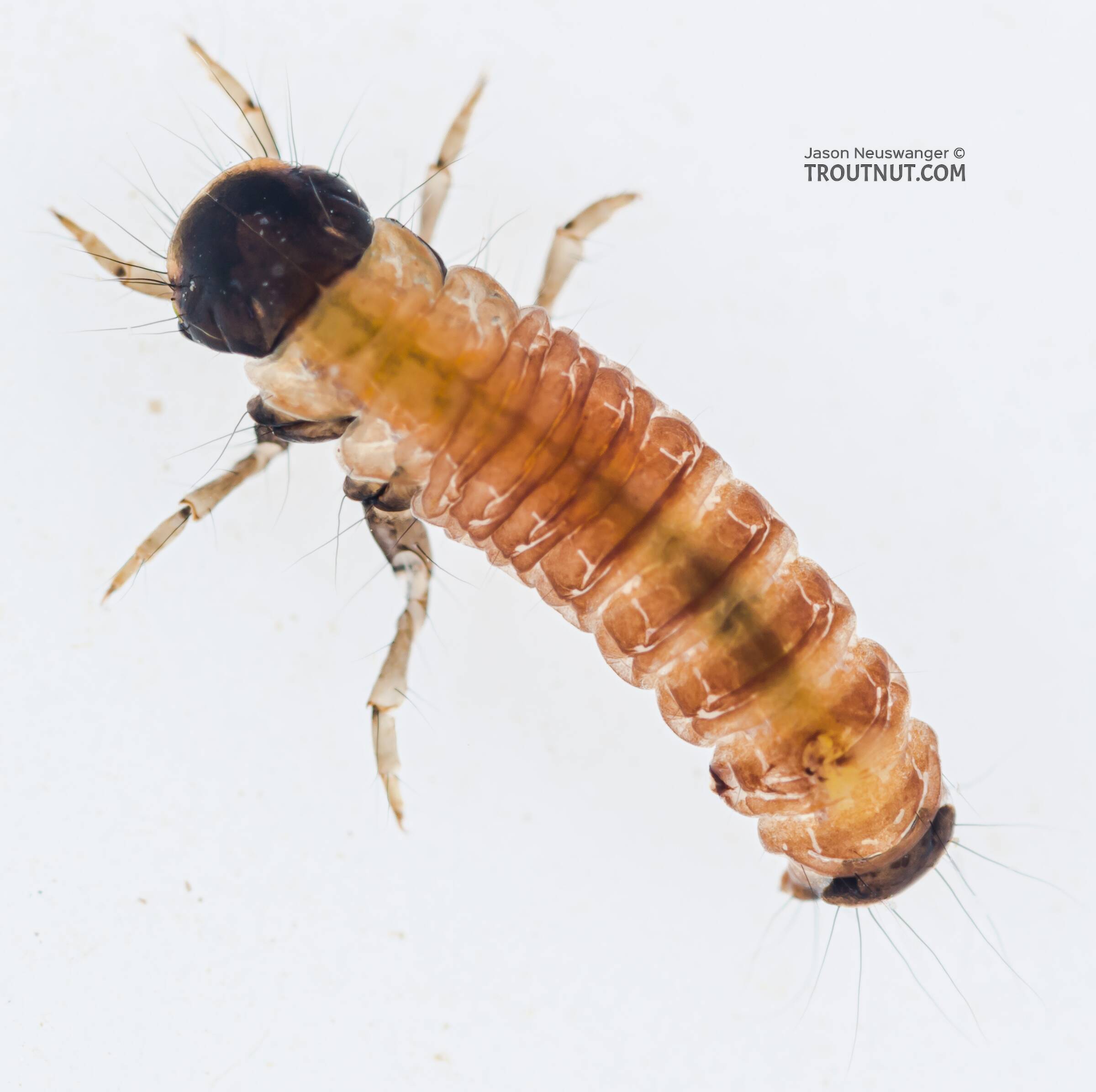

Caddisflies are becharm insects that play a all-important role in aquatic ecosystems. Their front and behavior can indicate the health of a water body, get them important subjects of study for both scientists and anglers. Understanding the Caddisflies Level Of Order is crucial for appreciating their ecologic significance and their role in the food chain. This blog post delves into the taxonomy, life cycle, and ecological importance of caddisflies, providing a comprehensive overview for enthusiasts and professionals alike.
Taxonomy and Classification
Caddisflies belong to the order Trichoptera, which is derived from the Greek words thrix (hair) and pteron (wing). This name reflects the distinctive hairy wings that characterize these insects. The order Trichoptera is further divided into several families, each with unparalleled characteristics. Some of the most well known families include:
- Hydropsychidae: Known for their net spinning behavior, these caddisflies are mutual in fast flux streams.
- Limnephilidae: Often touch to as "giant caddisflies", these insects are larger and more racy.
- Phryganeidae: These caddisflies are known for their typical cases made from plant materials.
The Caddisflies Level Of Order is crucial for interpret their variety and ecologic roles. The order Trichoptera is divide into respective suborders, each with distinct morphological and behavioural traits. The principal suborders include:
- Annulipalpia: Characterized by segmented antennae and a unequalled wing venation pattern.
- Integripalpia: Known for their simple, unsegmented antennae and diverse case make behaviors.
- Spicipalpia: This suborder includes species with specialized mouthparts and singular larval forms.
The Life Cycle of Caddisflies
The life cycle of caddisflies is complex and involves various stages, each with distinct characteristics. Understanding this cycle is all-important for appreciating their bionomic roles and the Caddisflies Level Of Order. The life cycle typically includes the following stages:
- Egg: Females lay their eggs in or near h2o, much attach them to aquatic plants or substrates.
- Larva: The larvae, or "caddis worms", are aquatic and can be gratis living or case building. They feed on organic subject and play a crucial role in nutritive motorbike.
- Pupa: The pupal stage is a transitional phase where the larva transforms into an adult. This stage is oftentimes spent in a protective cocoon.
- Adult: Adult caddisflies are terrestrial and have a short lifespan, primarily concenter on replication.
Each stage of the life cycle has unequalled adaptations that contribute to the overall success of the species. for instance, the larval stage is critical for the Caddisflies Level Of Order as it determines the insect's ecological niche and feed habits.
Ecological Importance
Caddisflies are vital components of aquatic ecosystems, serving as both predators and prey. Their ecological importance can be understood through various key roles:
- Nutrient Cycling: Caddisfly larvae play a important role in breaking down organic issue, contributing to nutrient motorbike in aquatic environments.
- Food Source: Adult caddisflies and their larvae serve as a food source for various animals, including fish, birds, and other insects.
- Indicator Species: The presence and abundance of caddisflies can bespeak the health of a h2o body, make them worthful for environmental monitoring.
Understanding the Caddisflies Level Of Order helps in identifying specific species and their ecological roles. For case, some species are more sensitive to pollution and can serve as betimes discourage indicators of environmental abjection.
Case Building Behavior
One of the most fascinating aspects of caddisflies is their case building behaviour. Many species construct protective cases from respective materials, including sand, gravel, and plant debris. These cases render protection and protection from predators. The Caddisflies Level Of Order influences the type of materials used and the complexity of the cases. for example:
- Hydropsychidae: These caddisflies make net like cases using silk and small particles.
- Limnephilidae: Known for their robust cases made from larger plant materials and debris.
- Phryganeidae: These caddisflies make intricate cases using a combination of silk and natural materials.
Case progress behavior is not only a justificatory mechanics but also a means of camouflage and habitat adaption. The materials used and the construction techniques vary wide among different species, reflect the variety within the Caddisflies Level Of Order.
Note: The diversity in case building materials and techniques highlights the adaptability of caddisflies to different aquatic environments.
Caddisflies and Angling
Caddisflies are of particular interest to anglers due to their role as a food source for fish. Understanding the Caddisflies Level Of Order can help anglers identify the types of caddisflies present in a water body and take the reserve fly patterns. Some key points for anglers include:
- Identification: Knowing the different families and species of caddisflies can assist anglers match their fly patterns to the natural insects represent.
- Life Cycle Stages: Understanding the life cycle stages of caddisflies can facilitate anglers shape the best times to fish for specific species.
- Habitat Preferences: Different species of caddisflies have specific habitat preferences, which can usher anglers to the most generative fish spots.
for instance, the Hydropsychidae family is oft found in fast flux streams, while the Limnephilidae family prefers slower moving waters. This knowledge can assist anglers tailor their strategies to the specific conditions of the water body they are fishing.
Conservation and Threats
Despite their bionomical importance, caddisflies face several threats that can impact their populations and the health of aquatic ecosystems. Some of the primary threats include:
- Pollution: Chemical and nutrient befoulment can harm caddisfly larvae and disrupt their life cycles.
- Habitat Destruction: The death of riparian habitats and water bodies can obviate critical cover and feed grounds for caddisflies.
- Climate Change: Changes in h2o temperature and flow patterns can affect the survival and reproduction of caddisflies.
Conservation efforts focus on protect aquatic habitats and reduce contamination are essential for maintain healthy caddisfly populations. Understanding the Caddisflies Level Of Order can assist in developing aim preservation strategies for specific species and families.
Note: Conservation efforts should focus on protecting both the aquatic habitats and the terrestrial environments where adult caddisflies reproduce.
Research and Future Directions
Ongoing research on caddisflies continues to break new insights into their biology, ecology, and preservation needs. Some areas of fighting research include:
- Genetic Studies: Genetic analysis can assist identify new species and read the evolutionary relationships within the Caddisflies Level Of Order.
- Behavioral Ecology: Studies on case establish doings and mating strategies can furnish insights into the adaptative mechanisms of caddisflies.
- Environmental Monitoring: Using caddisflies as indicator species for water quality and ecosystem health is an fighting region of inquiry.
Future inquiry should pore on integrate genetic, ecological, and behavioral information to develop a comprehensive interpret of caddisflies and their roles in aquatic ecosystems. This knowledge can inform preservation strategies and help protect these vital insects.
Caddisflies are not only fascinating insects but also crucial components of aquatic ecosystems. Their various life cycles, case establish behaviors, and ecological roles get them significant subjects of study. Understanding the Caddisflies Level Of Order provides worthful insights into their taxonomy, deportment, and preservation needs. By appreciating the complexity and importance of these insects, we can wagerer protect the health of our water bodies and the ecosystems they support.
Related Terms:
- caddis fly larvae
- caddisfly larvae in water
- caddisfly insect
- the caddisfly order
- caddisfly habitat
- caddis fly size